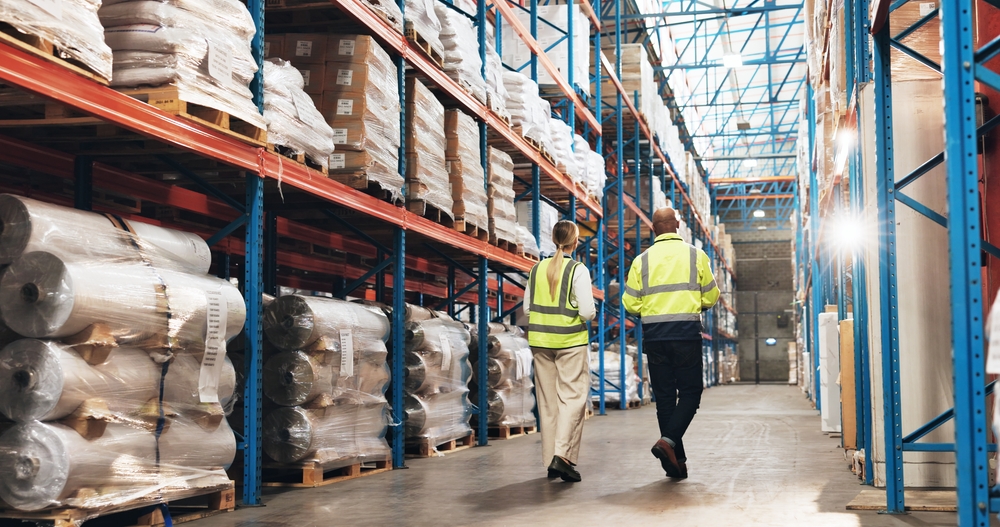
Logistics companies do not have much room for technology problems. When a warehouse network goes down, drivers cannot access critical systems, employees may lose access to shipment information, and operations can quickly fall behind schedule. For businesses moving freight across Dallas and the broader DFW area, even a short technology disruption can create problems that extend well beyond the IT department.
Modern logistics operations rely on technology at nearly every stage of the process. Transportation management systems, warehouse management software, GPS and tracking platforms, cloud applications, barcode scanners, mobile devices, email, VoIP, security systems, and business applications all need to work together. That makes IT Support for Logistics an important part of maintaining reliable day-to-day operations.
Professional IT support can help logistics and transportation companies manage this increasingly connected environment. Instead of treating technology as a collection of individual systems, a specialized IT provider can take a broader view of infrastructure, cybersecurity, connectivity, devices, applications, and business continuity.
Why Logistics Companies Need Specialized IT Support
Logistics businesses have technology requirements that are different from those of a typical office-based company. Employees may work from warehouses, dispatch offices, vehicles, distribution centers, or remote locations. Some systems need to remain available around the clock, while other tools depend on stable connections between multiple facilities and mobile workers.
This creates several points of potential failure. A network problem can interrupt warehouse operations. A compromised employee account can expose sensitive information. An outdated device can create security and compatibility issues. Poorly integrated applications can result in duplicate work or inaccurate data.
The U.S. Department of Transportation has noted that freight and logistics operations are increasingly dependent on technology and connected systems. Greater connectivity can improve efficiency and visibility, but it can also introduce additional technology and cybersecurity risks that businesses need to manage.
For logistics companies, IT support is not simply about fixing computers. It is about maintaining the technology infrastructure that employees depend on to move information, manage inventory, communicate with customers, coordinate transportation, and keep shipments moving.
Common IT Challenges in Logistics and Transportation
Every logistics operation is different, but many businesses face similar technology challenges. Understanding these issues can help business owners and operations managers determine where professional support can provide the greatest value.
Network Reliability and Connectivity
Reliable connectivity is fundamental to modern logistics. Warehouse employees may depend on wireless networks to scan inventory, access applications, update orders, and communicate with other teams. Dispatchers and office staff may need constant access to transportation management and customer systems.
When connectivity is inconsistent, employees may resort to manual processes or wait for systems to become available. Those workarounds can introduce errors and slow down operations.
Network support for logistics companies should include proactive monitoring, network performance management, secure wireless connectivity, device configuration, and troubleshooting. A strong network infrastructure should also be designed with the physical environment in mind, particularly when warehouses or distribution facilities have large spaces, equipment, interference, and multiple access points.
Warehouse Technology and Systems
Warehouses increasingly depend on digital systems to manage receiving, inventory, picking, packing, shipping, and order fulfillment. Scanners, tablets, printers, workstations, wireless access points, cameras, and warehouse management platforms may all need to communicate reliably.
This is where specialized warehouse IT support can make a difference. IT professionals can help businesses maintain devices, troubleshoot connectivity issues, manage user access, monitor infrastructure, and coordinate technology upgrades without unnecessarily disrupting warehouse operations.
It is also important to consider what happens when a warehouse system becomes unavailable. A business continuity plan should identify critical systems, backup procedures, communication methods, and recovery priorities before an incident occurs.
Transportation and Mobile Technology
Transportation companies have another layer of technology to manage. Drivers and field employees may rely on smartphones, tablets, GPS systems, electronic documentation, cloud applications, and communication tools while away from the office.
Transportation IT support can help businesses manage these devices and the security challenges that come with a mobile workforce. Device management, authentication, software updates, remote support, and access controls can all help reduce operational and security risks.
The objective is not simply to equip employees with technology. It is to make sure those tools remain secure, available, and properly managed throughout their useful life.
Logistics Cybersecurity Should Be a Business Priority
Cybersecurity has become increasingly important for logistics companies because so many operational systems are connected to networks and the internet. Transportation organizations may have to protect customer information, shipment data, financial information, employee records, credentials, and operational systems.
The Cybersecurity and Infrastructure Security Agency has identified transportation as a sector where interconnected systems and remote access can create cybersecurity risks. A cyber incident affecting transportation systems can potentially have operational consequences, which makes security and resilience important considerations for organizations in the industry.
Businesses can learn more about transportation-sector cybersecurity considerations through CISA’s Transportation Systems Sector resources.
Protecting Accounts and Devices
One of the basic elements of cybersecurity for logistics companies is controlling who can access business systems and what they can access. Employees, contractors, drivers, warehouse workers, and office staff may have different responsibilities and therefore different access requirements.
Strong authentication, appropriate permissions, device security, timely software updates, and employee security awareness can reduce common risks. When employees leave the company or change roles, access should also be reviewed and adjusted.
Preparing for Ransomware and Other Disruptions
Ransomware is particularly concerning for logistics businesses because losing access to critical systems can affect physical operations as well as office productivity. If employees cannot access shipment information, inventory systems, financial applications, or communication tools, the disruption can quickly become operational.
Backups are therefore only one part of a broader recovery strategy. Businesses should understand which systems are most critical, how quickly they need to be restored, who is responsible for recovery decisions, and how employees will communicate during an outage.
A professional IT provider can help evaluate these risks and develop a practical approach to backup, disaster recovery, incident response, and business continuity.
How Managed IT Services Can Support Logistics Operations
For some logistics companies, handling technology internally can become increasingly difficult as the business grows. An internal employee may be able to resolve basic issues, but managing an entire IT environment requires expertise across networking, cybersecurity, cloud systems, endpoint management, backups, infrastructure, and compliance.
Managed IT services for logistics provide an alternative by giving businesses ongoing access to IT expertise rather than relying entirely on reactive troubleshooting.
Depending on the company’s needs, managed services may include:
- 24/7 or business-hours monitoring and support
- Network monitoring and maintenance
- Cybersecurity management
- Endpoint and device management
- Cloud application support
- Backup and disaster recovery planning
- User and access management
- Software and security patch management
- IT strategy and technology planning
- Help desk and technical support
The value of this approach is the ability to identify problems before they become major disruptions. Instead of waiting for a warehouse connection to fail or a device to stop working, proactive monitoring can help identify potential issues earlier.
Reducing Downtime Through Proactive IT Management
Downtime can be expensive in any industry, but logistics operations can feel the effects particularly quickly. A technology problem can interrupt receiving, order processing, dispatch, inventory management, customer communication, or billing.
Proactive IT management focuses on reducing the likelihood and impact of these disruptions. That can involve monitoring systems, maintaining equipment, replacing aging hardware, applying security updates, reviewing backups, and testing recovery procedures.
It also means understanding which systems are truly business-critical. Not every application needs the same recovery priority. A logistics company should identify the technology that directly supports revenue-generating and operational activities and plan accordingly.
Why Dallas Logistics Businesses Benefit From Local IT Support
The Dallas-Fort Worth region is home to a broad range of transportation, distribution, warehousing, manufacturing, and supply chain businesses. Companies operating in this environment may have facilities, employees, vendors, and customers spread across multiple locations.
That geographic complexity can make technology management more challenging. A business may need secure connectivity between an office and warehouse, consistent technology standards across locations, support for mobile employees, and centralized visibility into its IT environment.
Dallas IT support can provide a local resource for businesses that prefer an IT partner familiar with the needs of companies operating in the region. For organizations with multiple facilities, local support can also complement remote monitoring and management by providing a practical approach to on-site and remote technology needs.
Local expertise should not replace technical capability, however. When evaluating an IT provider, logistics companies should look for both geographic understanding and the technical resources necessary to support a complex operating environment.
What to Look for in an IT Support Provider
Choosing an IT provider is an important business decision. The right provider should understand how technology affects operations rather than viewing IT as a collection of isolated technical tasks.
Industry Understanding
Ask whether the provider understands logistics, transportation, warehousing, and supply chain operations. An IT partner should recognize that a warehouse outage, network failure, or compromised account can have consequences beyond the technology itself.
Cybersecurity Capabilities
Security should be integrated into the IT strategy rather than treated as an optional add-on. Look for capabilities related to endpoint protection, identity and access management, security monitoring, employee awareness, backup protection, and incident response.
Proactive Support
A reactive approach may solve problems after they occur, but logistics companies can benefit from proactive monitoring and maintenance. Ask how the provider identifies potential issues, manages updates, monitors networks, and communicates about technology risks.
Scalability and Long-Term Planning
Your IT requirements may change as your company adds employees, locations, vehicles, warehouse space, software platforms, or customers. A provider should be able to help plan for those changes rather than simply responding after the fact.
Clear Communication
Technology decisions often involve business priorities, budgets, and operational considerations. Your IT provider should be able to explain technical recommendations in practical business terms and clearly communicate what needs attention and why.
When Should a Logistics Company Consider Professional IT Support?
There is no single point at which every logistics company needs managed IT services. However, certain signs indicate that professional support may be worth considering.
- Your employees frequently lose time dealing with recurring technology problems.
- Your business operates multiple warehouses, offices, or locations.
- Employees depend heavily on cloud and mobile applications.
- Your network or wireless infrastructure is unreliable.
- You do not have a documented backup or disaster recovery strategy.
- Cybersecurity responsibilities are being handled without dedicated expertise.
- Your business is growing faster than your existing IT processes can support.
- You are unsure which users, devices, or applications have access to sensitive information.
- Your current IT support is primarily reactive rather than proactive.
These challenges do not necessarily mean a company needs to outsource every aspect of IT. The right approach depends on the organization’s size, internal resources, risk profile, technology environment, and growth plans.
Building a More Resilient Logistics Technology Environment
Technology will continue to play a central role in logistics. Businesses are increasingly dependent on connected systems for visibility, communication, transportation management, warehouse operations, and data sharing. The U.S. Department of Transportation’s freight strategy also emphasizes the importance of resilience, security, connectivity, data, and technology across the freight system.
For logistics businesses, that makes IT planning more than an administrative task. It is part of protecting operational continuity and creating an infrastructure that can support growth.
The right IT Support for Logistics strategy should bring together reliable networks, secure devices, protected data, responsive support, proactive maintenance, and a clear recovery plan. It should also evolve as the business changes.
If your logistics or transportation company is evaluating its current technology environment, start by identifying the systems your operation cannot afford to lose, the risks that could disrupt them, and the gaps in your current support model. From there, you can build a practical technology strategy around your actual business needs.
For additional information on freight technology, resilience, and supply chain considerations, see the U.S. Department of Transportation’s National Freight Strategic Plan.
Get IT Support Built Around Your Logistics Business
Logistics companies need technology that works in the real world—across warehouses, offices, vehicles, employees, applications, and multiple locations. Reliable support can help reduce disruptions, strengthen security, and give business leaders greater visibility into their technology environment.
If you are looking for a technology partner that understands the needs of logistics and transportation businesses, learn more about IT Support for Logistics from LG Networks, Inc. to explore IT support solutions designed around the demands of the logistics industry.
Leave a Reply